
Environmental Issues in Georgia
We all know that there are many environmental issues in the world, and they are all important, but before we worry about the world’s problems, shouldn’t we worry about our own? There are many environmental issues in Georgia, but two of the most pressing are the lack of proper food quality and access, as well as the water quality issues we all face. These problems are evident all throughout Georgia, but intensify in big cities, which coincidentally have more residents. This makes the harsh problems in those areas a problem for the entirety of Georgia, as a large percentage of Georgia residents live in those areas. To highlight one such city, Atlanta, the capital, especially suffers from food insecurity.
Atlanta is a busy city with many things to see and places to go, but shouldn’t there be ample places to get fresh food before city officials consider building more industrial buildings? According to the City of Atlanta Fresh Food Access 2020 report, 75% of the city’s residents lived within a half-mile of fresh produce in 2020 compared to 52% in 2015. Atlanta and its neighboring cities are often called a ‘food desert’ due to the fact that most people do not have access to fresh produce within a half mile walk. This is a concerning statistic because not everyone has a car, so walking to nutritious food is an important requirement in any city, not only Atlanta. The Dietary Guidelines for Americans 2020-2025 recommends daily intake of fresh fruits and vegetables as a part of a healthy lifestyle to reduce the risk of chronic disease and other nutrient deficiency caused issues.
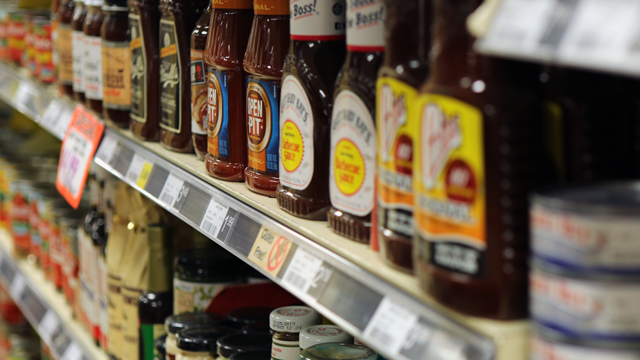
This issue is disproportionately spread among the different demographics in Georgia. Communities of color and/or low income are disproportionately affected because they have fewer grocery stores and more convenience stores. Of the ones they have, less than half of small food stores in Atlanta sell fresh produce. How are people in Atlanta expected to lead a healthy lifestyle without easy access to basic necessities like nutritious food? Georgia is a very diverse state, the 2022 US Census states that over 30% of Georgians are colored, and 12.7% of Georgians live in poverty. That means that these problems affecting colored, low income communities, affect a large percent of Georgians. These people struggle to consume fresh produce, but on top of that, suffer from contaminated waterways.
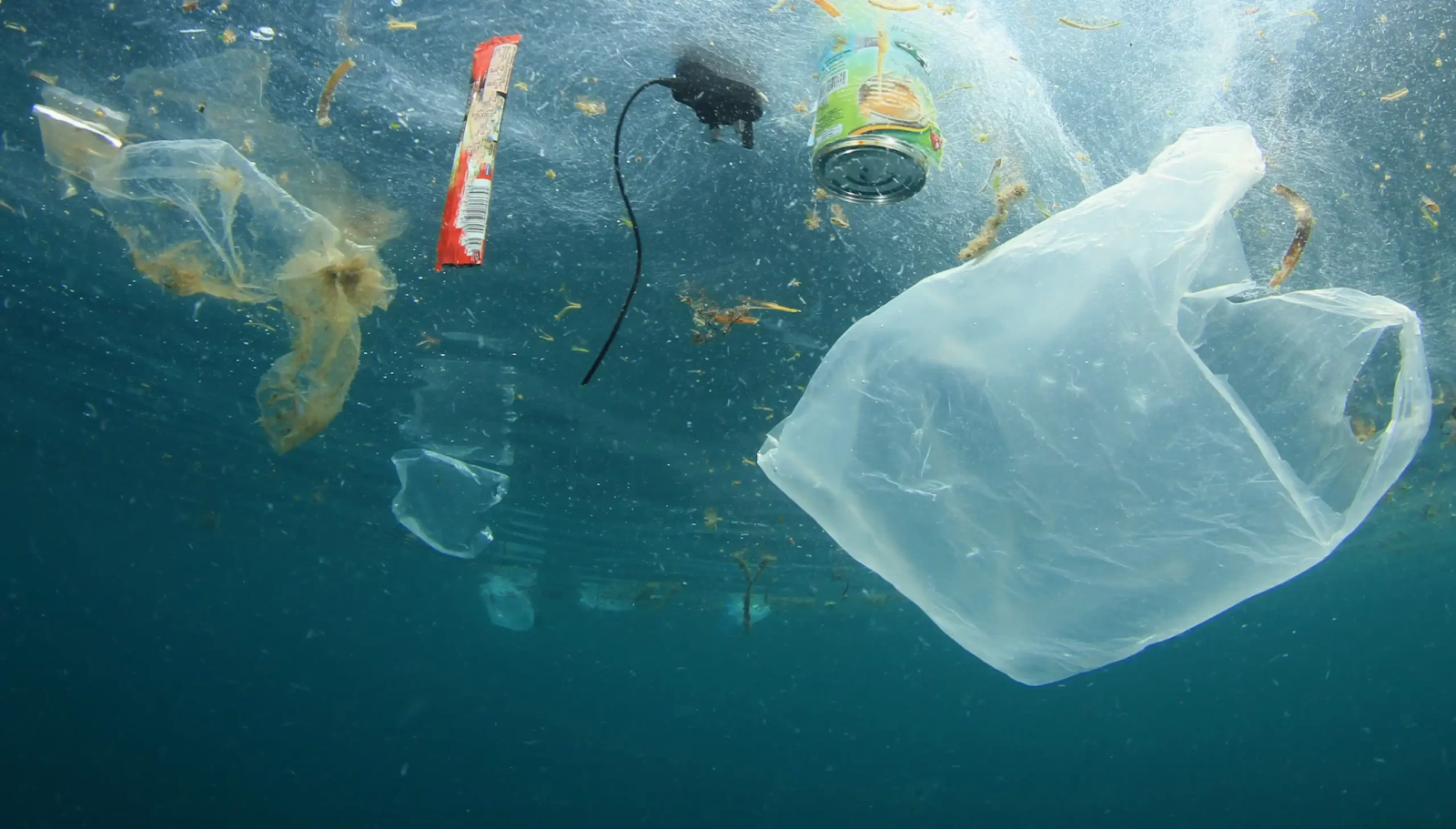
The waterways in Georgia are extremely polluted. Most of the pollution comes from traditional, common sources such as runoff and wastewater from factories. Although these sources are common for many waterways all around the world, there is a limit to the amount of pollution a body of water can filter out. The Georgia Public Broadcast states that, “Industrial facilities released more than 5 million pounds of toxic chemicals into Georgia’s waterways in 2020, putting Georgia in 13th place nationwide”. These industrial facilities release long-lasting particles into our waterways like microplastics and PFAS (polyfluoroalkyl substances). Most wastewater treatment plans are not designed to remove these tiny particles, so they can find their way into drinking water, for both humans and animals, potentially threatening the local biodiversity. So how can we fix this? To address this issue, we have to fix the root of the cause. Microplastics get into waterways because of the abundant plastic products in industrial facilities.
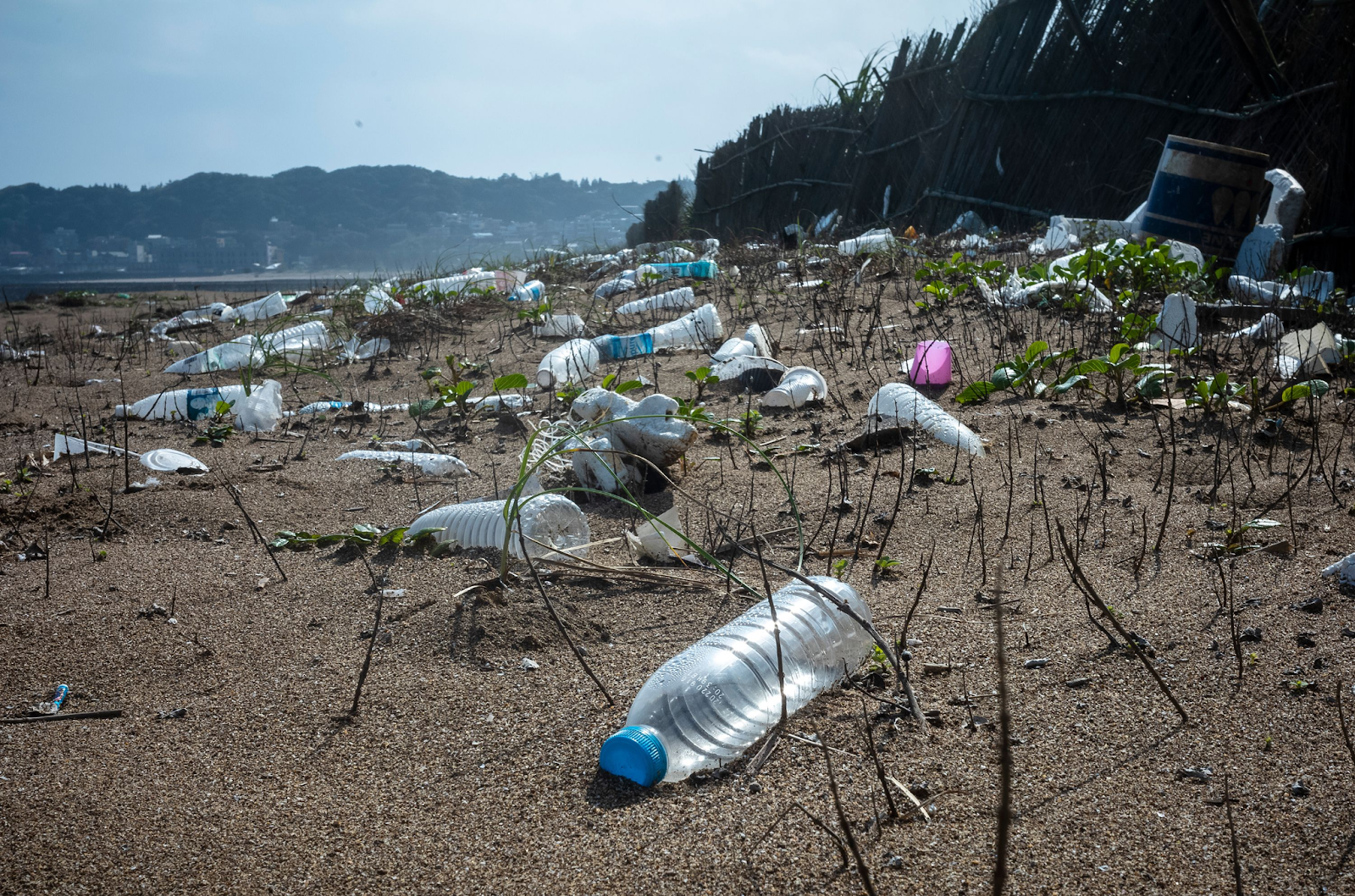
Our community is heavily reliant on plastic, and therefore lots of plastic is produced. If we slowly reduce our reliance on plastic, it will force companies to produce less plastic and subsequently cause less microplastics to get into our waterways. Buying water bottles may be a more convenient and fast solution, but it isn’t sustainable. Yes, packaged water bottles have less pollutants, but they are part of the problem. In searching for a quick, easy solution, we are making the problem worse in the long run. If we can make small changes in our everyday lives, we can stop drinking microplastics, stop subjecting animals to ingest plastic, and protect the local biodiversity.
